
Venomous
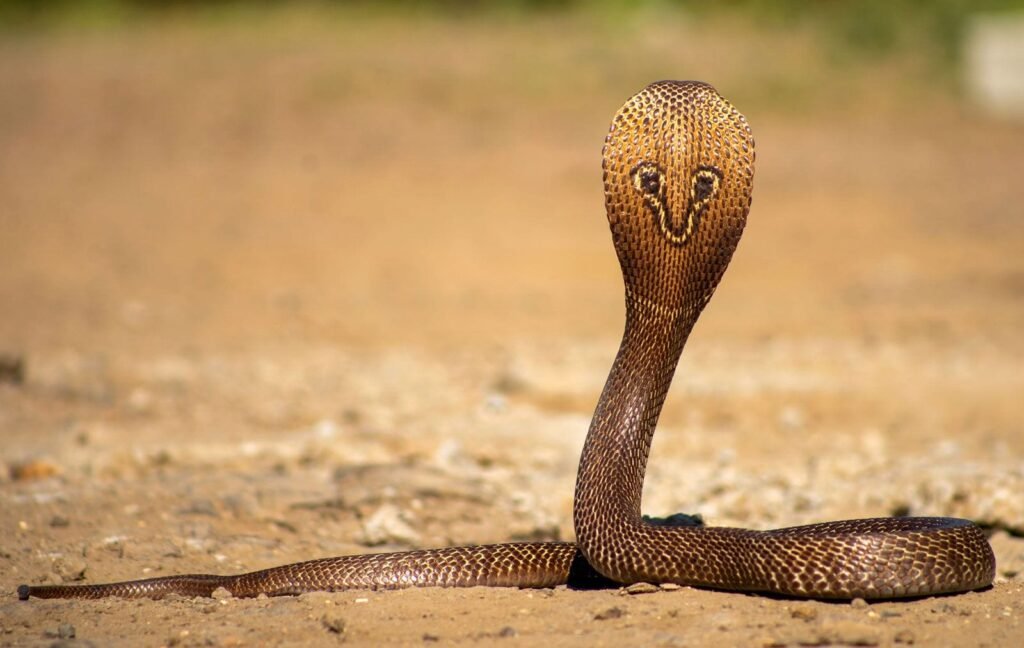
Indian Spectacled Cobra
Naja Naja
FamilyElapidae
GenusNaja
SpeciesNaja naja
Common namesIndian Cobra , Spectacled Cobra, Binocellate Cobra, Asian Cobra
DistributionSouth Asia
HabitatForest, Grassland, Agricultural land, Urban / peri-urban areas
ConservationLeast Concern (LC)
Snake Image Gallery
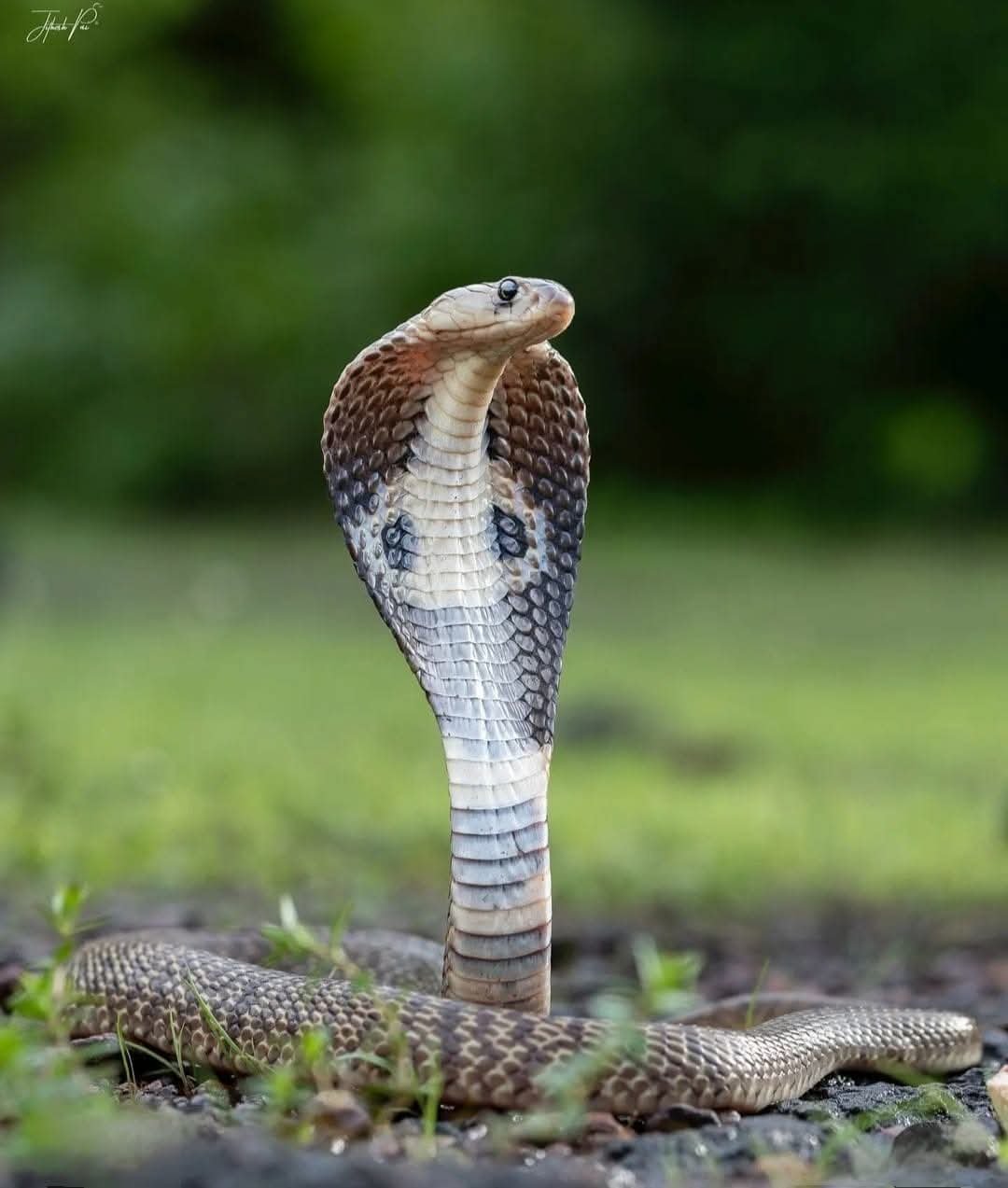
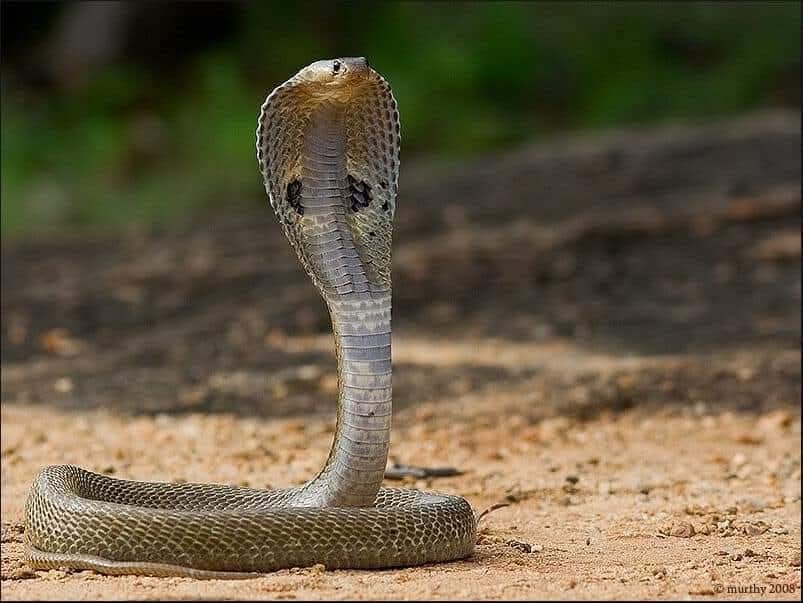
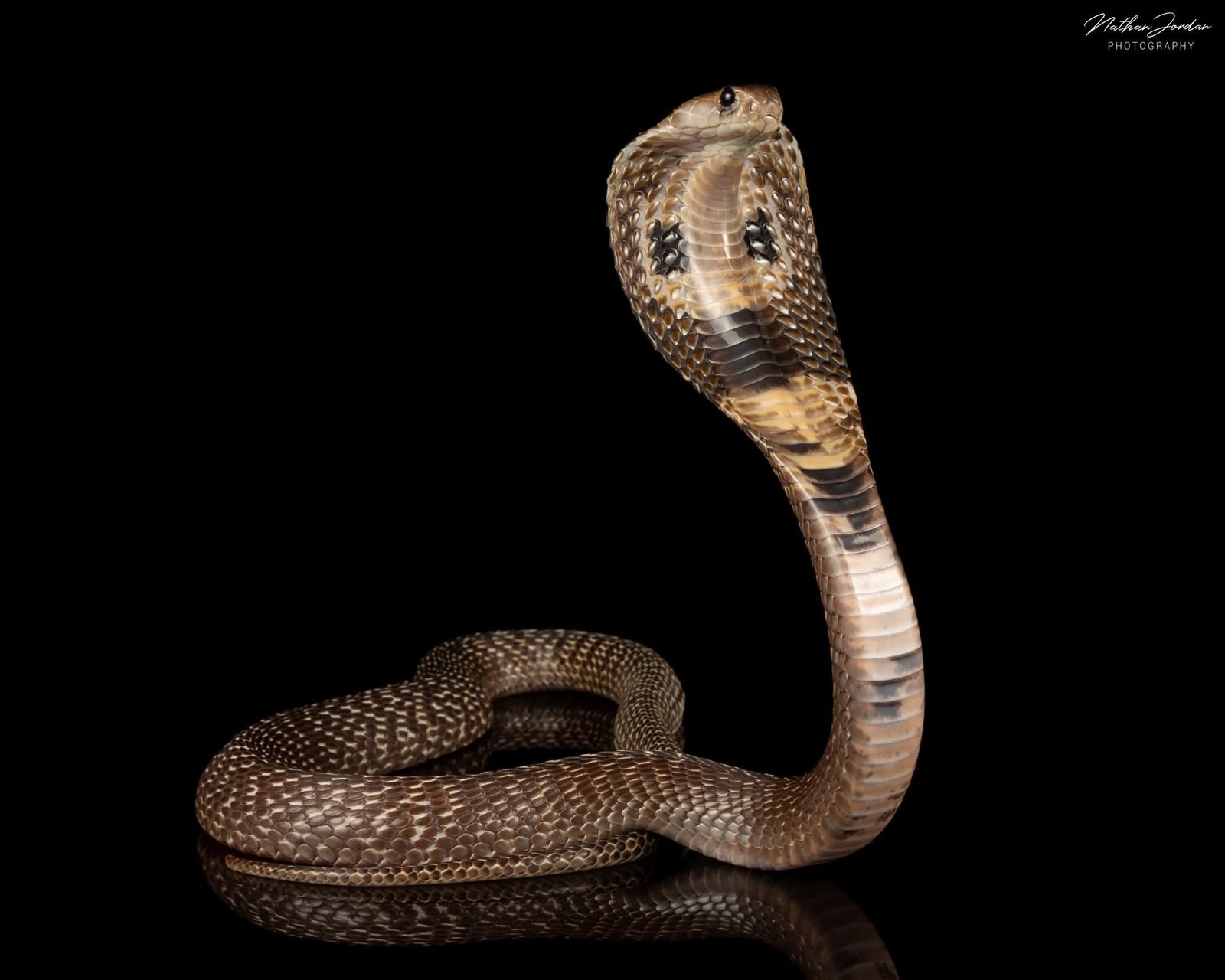
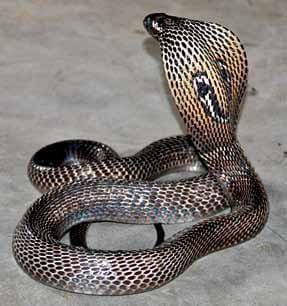
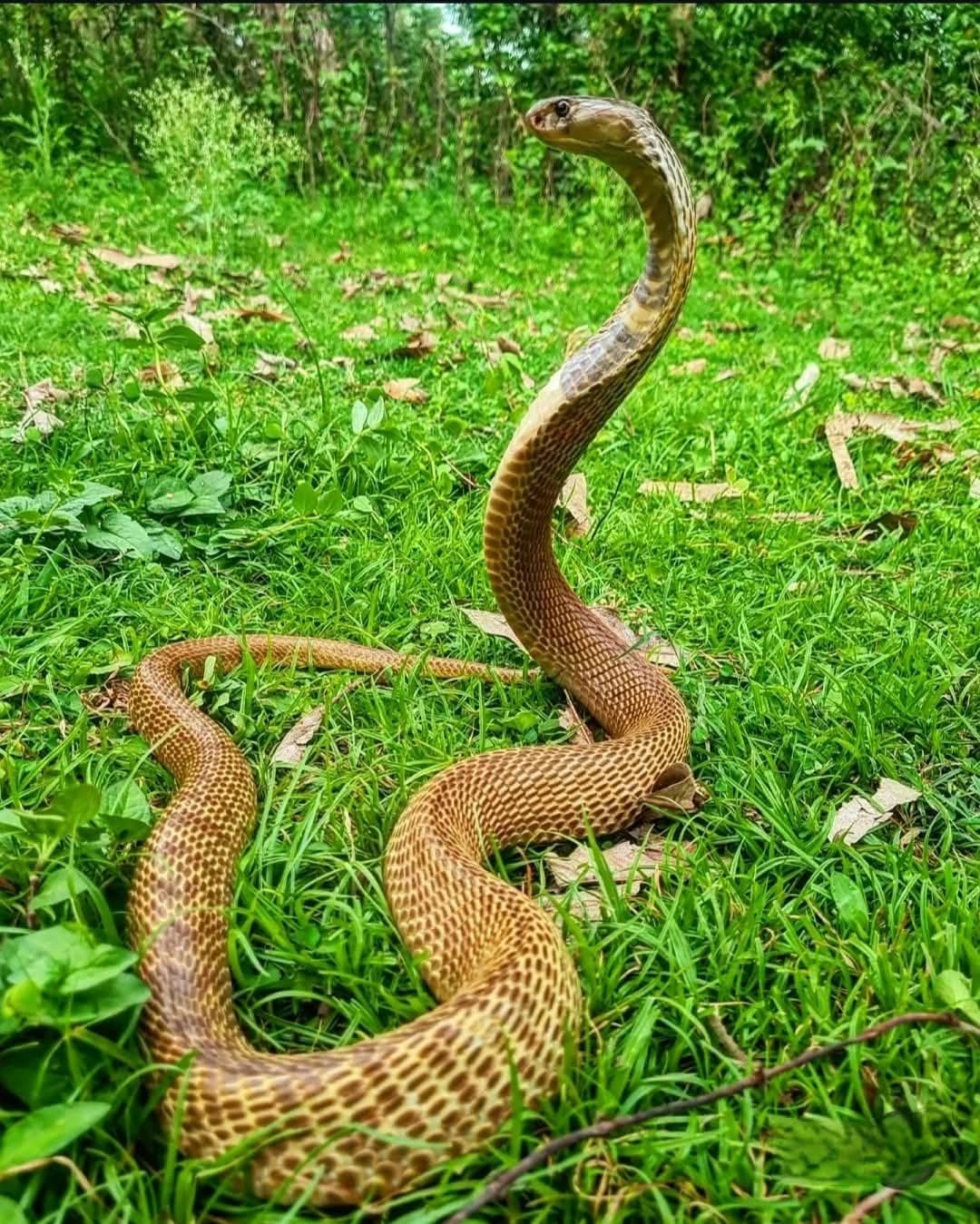
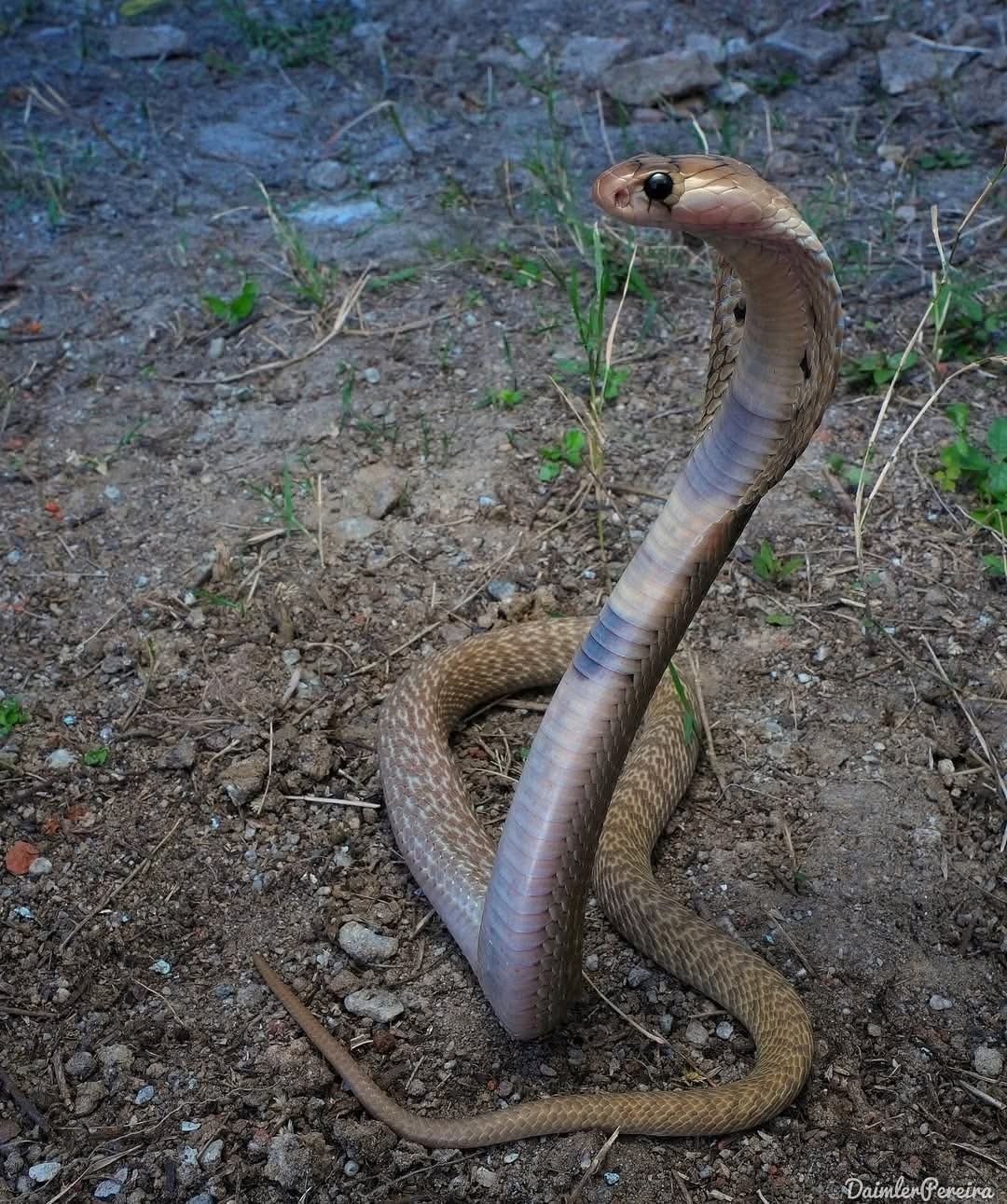
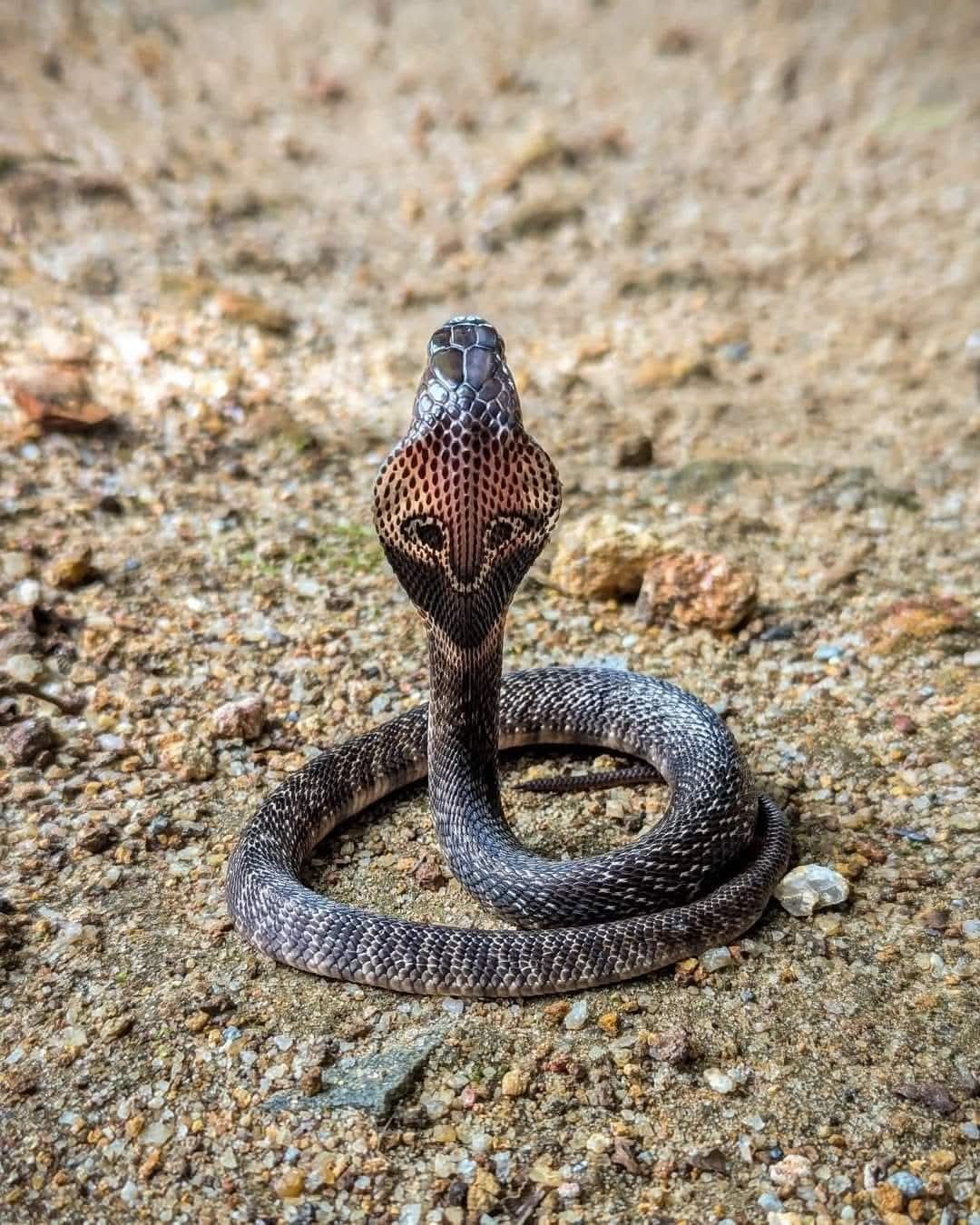
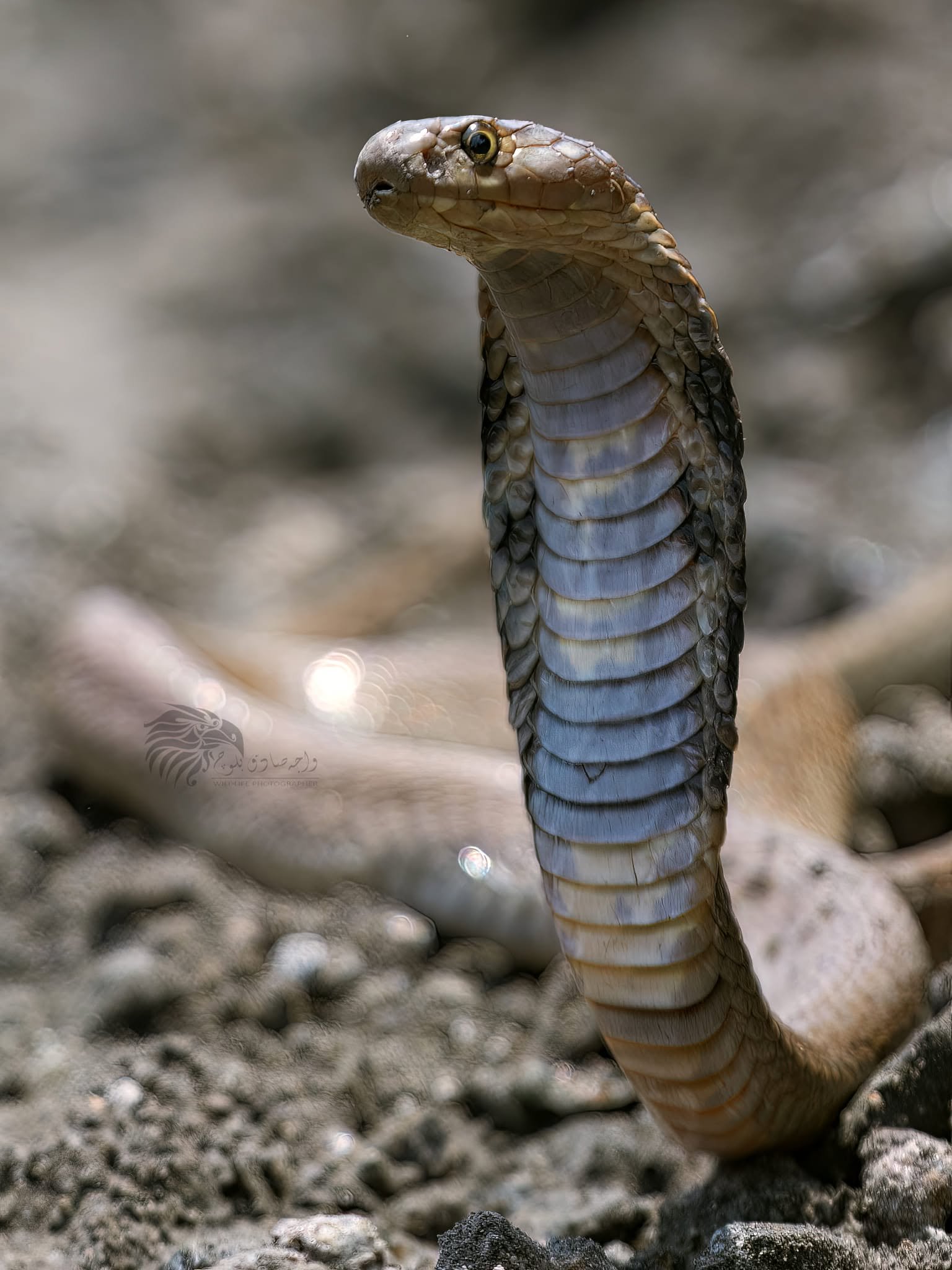
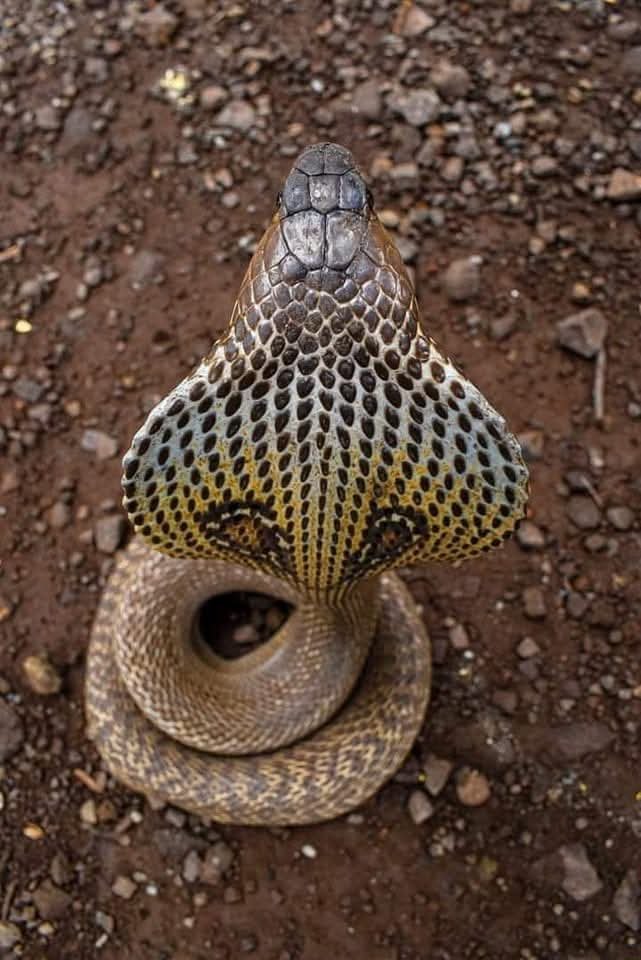
Identification
How to Identify
- Body colorBrowinsh, Balck, Light Brown
- Head shapeOval
- Scale patternOval Scales
- Eye characteristicsRound Pulpples
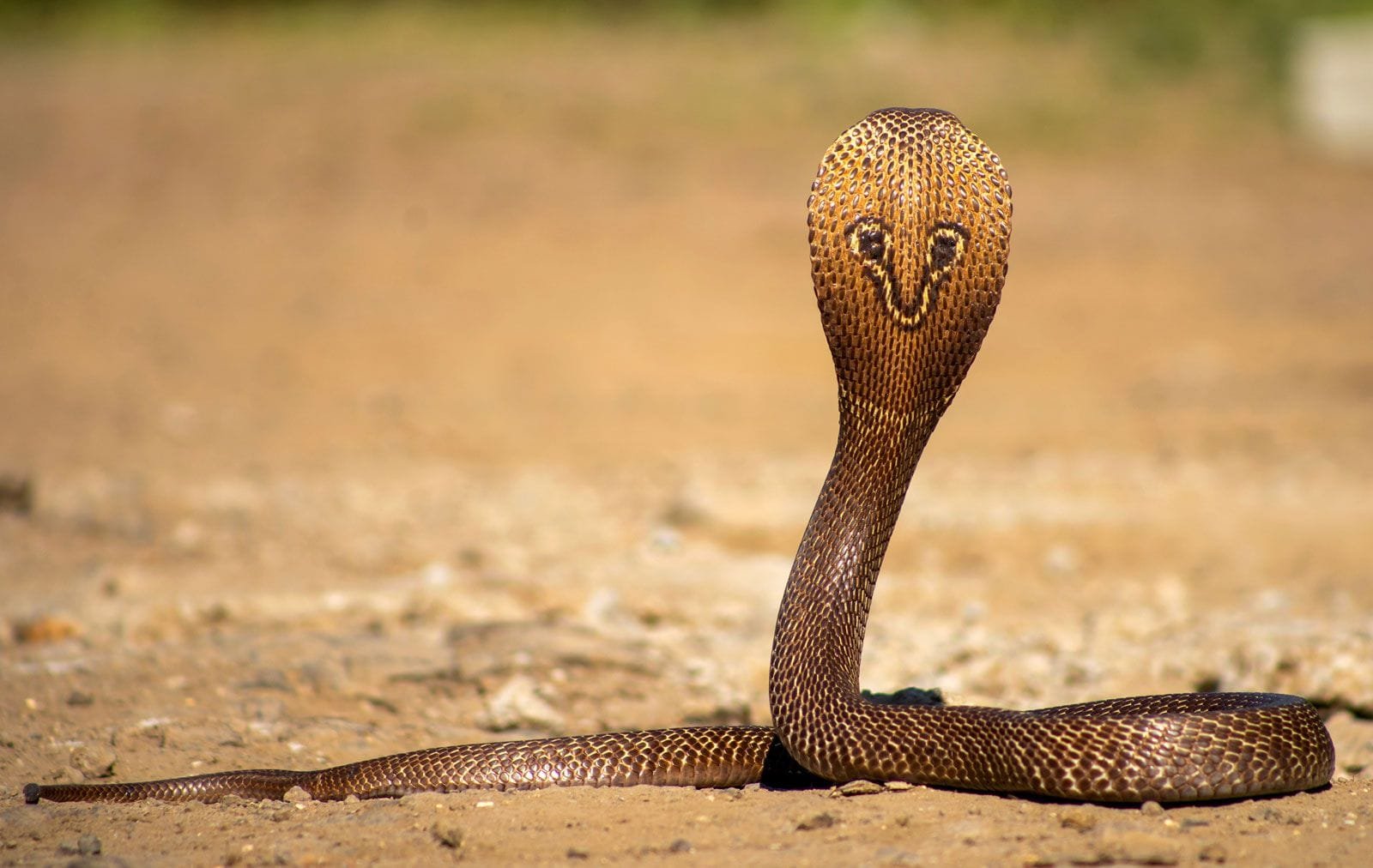
- Neck markingsBinocellate, Spectacle Markings On The Back Of The Head
- Average length2.3 m
- Tail characteristicsSlender Tail
- Distinctive markingsBinocellate Marking on Head
Identification Warning
Important: Snake identification should not be based on a single visual characteristic. Do not handle an unidentified snake.
Taxonomy
| Classification | Details |
|---|---|
| Kingdom | Animalia |
| Phylum | Chordata |
| Class | Reptilia |
| Order | Squamata |
| Family | Elapidae |
| Genus | Naja |
| Species | Naja naja |
Venom Information
Venom Status
Venomous
Medical significance depends on species, bite circumstances, venom dose and treatment availability.
Venom Type
Venom Delivery
Physical Characteristics
Size
- Average length
- 2.3 m
- Maximum recorded
- 2.3 m
- Weight
- 3 kg
Appearance
- Body color
- Browinsh, Balck, Light Brown
- Pattern
- asd
- Head
- Oval
- Scales
- Oval Scales
- Eyes
- Round Pulpples
- Tail
- Slender Tail
Sexual Dimorphism
- Male
- skinny
- Female
- fat
Habitat & Distribution
Geographic Distribution
- South Asia
- Pakistan
- Punjab
- Lahore, Sialkot, Gujrat, Gujjarkhan
- India
- Punjab
- Amratsar, Delhi
Habitat
- Forest
- Grassland
- Agricultural land
- Urban / peri-urban areas
Elevation: From Sea Level Up To Roughly 2,000 Meters (6,600 Feet)
Behavior
Defensive Behavior
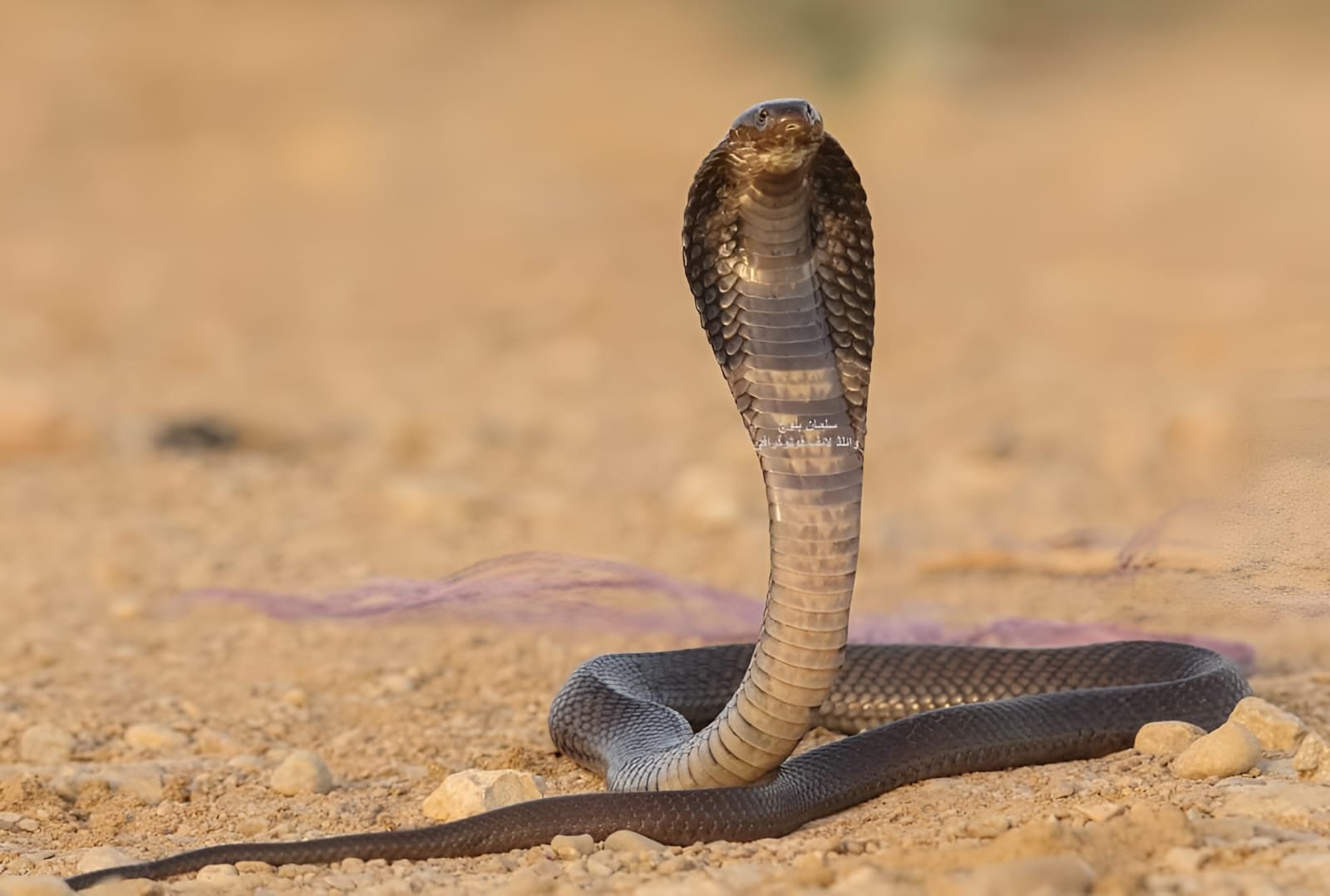
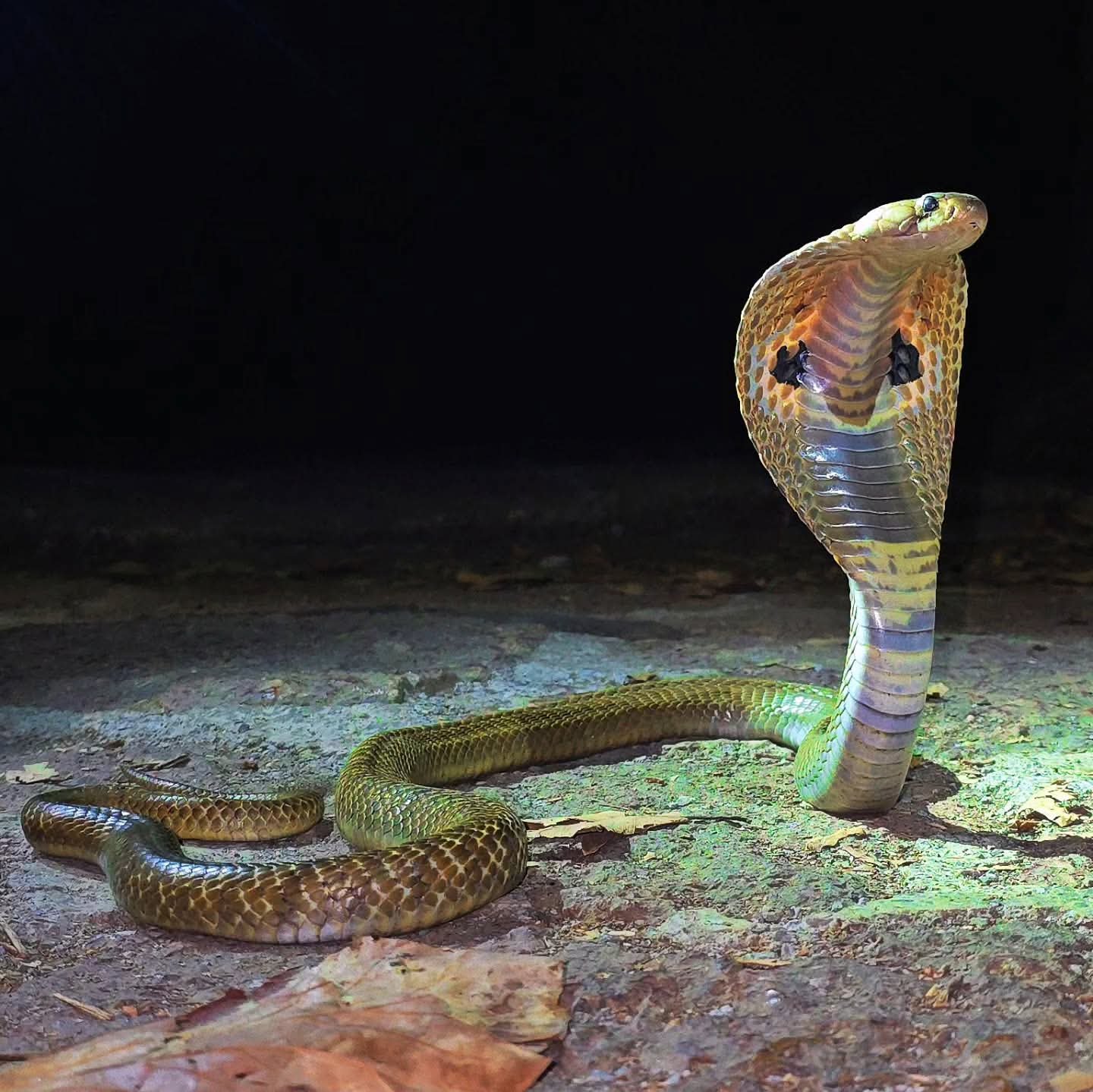
Vertical Posturing and Hood Extension
Hunting Behavior
Relies heavily on scent tracking and quick strikes rather than ambush tactics
Seasonal Behavior
The seasonal behavior of a Spectacled Cobra shifts throughout the year according to temperature, reproduction cycles, and food availability. (Mating & Courtship)
Hibernation / Brumation
Brumation
Reproduction
Reproductive Overview
- Reproductive method
- Oviparous (egg-laying)
- Mating season
- july-september
- Clutch / litter size
- 10-30
- Incubation period
- 28-35 Days
Breeding Behavior
Male Combat – Courtship Rituals
Juvenile Characteristics
Highly Venomous from birth
Human Interaction & Safety
If Encountered
- Keep a safe distance.
- Do not attempt to catch or kill the snake.
- Keep children and pets away.
- Contact a trained local wildlife / snake-rescue service where available.
Snakebite Information
If someone is bitten, seek emergency medical care immediately.
Do not attempt to suck out venom, cut the wound, or apply a tourniquet unless specifically directed by medical professionals.
Similar Species
| Species | Difference |
|---|---|
| Ptyas Mucosa - Dhaman (Indian Rat Snake) |
Conservation
IUCN Status
Least Concern (LC)Population Trend
Stable (Uncountified Total Population)
Main Threats
- Habitat loss
- Human persecution
- Road mortality
- Illegal trade / collection
- Climate change
- Pollution / pesticides
Local Names
Common English NameIndian Spectacled Cobra
Scientific NameNaja Naja
Urdu Nameبھورا ناگ / پھنیر سانپ
Pashto Nameخشہ مار / ښامار / چمچہ مار
Sindhi Nameڪارِيھَرُ / ڪارو نانگ
Punjabiپھنیر سپ / کھڑپا
Other local namesسیاہ مار / چھجلہپ / ککڑ / مُشکی - 𝐂𝐡𝐚𝐣𝐥𝐞𝐡𝐚𝐩 - 𝐏𝐡𝐚𝐧𝐢𝐚𝐫 - 𝐊𝐚𝐤𝐚𝐫 - 𝐌𝐮𝐬𝐡𝐤𝐢